
Anti-Inflammatory Foods & Nutrients
Discover our comprehensive guide to natural foods that support joint health and mobility. Each category includes detailed information about beneficial compounds, preparation methods, and integration into your daily diet.
The information on this site is for educational purposes only and does not constitute medical advice. Always consult a qualified healthcare professional before making health decisions.
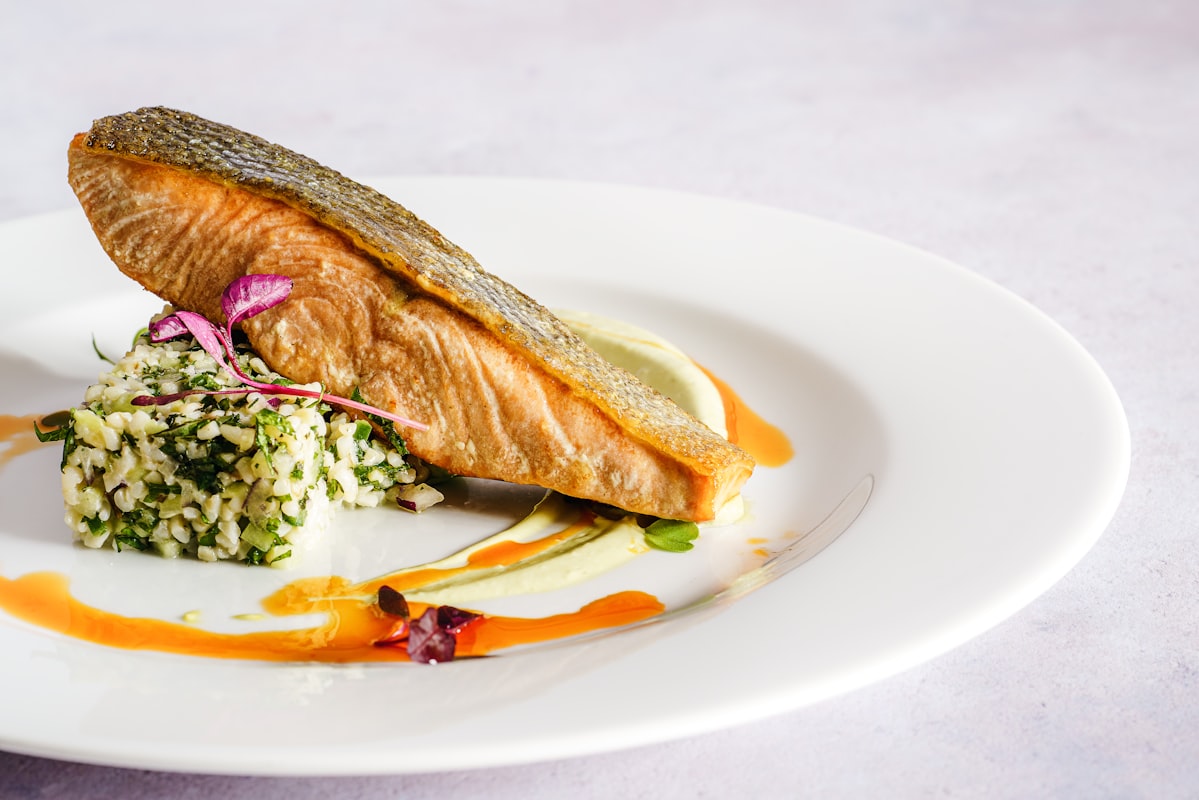
Salmon, Mackerel & Sardines
Rich in omega-3 fatty acids, these cold-water fish contain EPA and DHA compounds that actively reduce inflammatory markers in the body. Consuming fatty fish 2-3 times weekly may support cartilage preservation and joint flexibility. These fish also provide vitamin D and selenium, both crucial for bone density and immune function.
Read more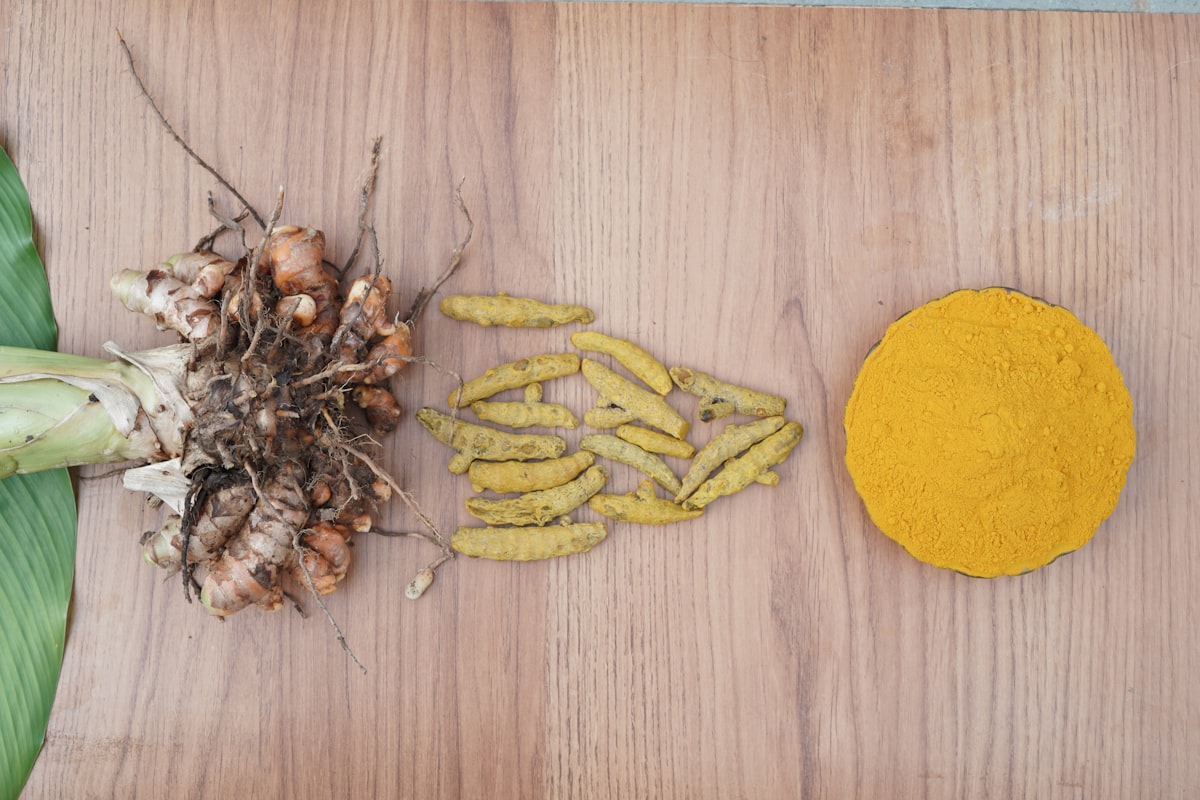
Blueberries, Cherries & Strawberries
Berries contain anthocyanins and polyphenols—powerful antioxidants that combat oxidative stress affecting joints. Tart cherry juice has been studied for its potential to support mobility and comfort. Blueberries provide resveratrol, which may help protect cartilage from degradation. These fruits are low in calories yet nutrient-dense, making them ideal for daily consumption.
Read more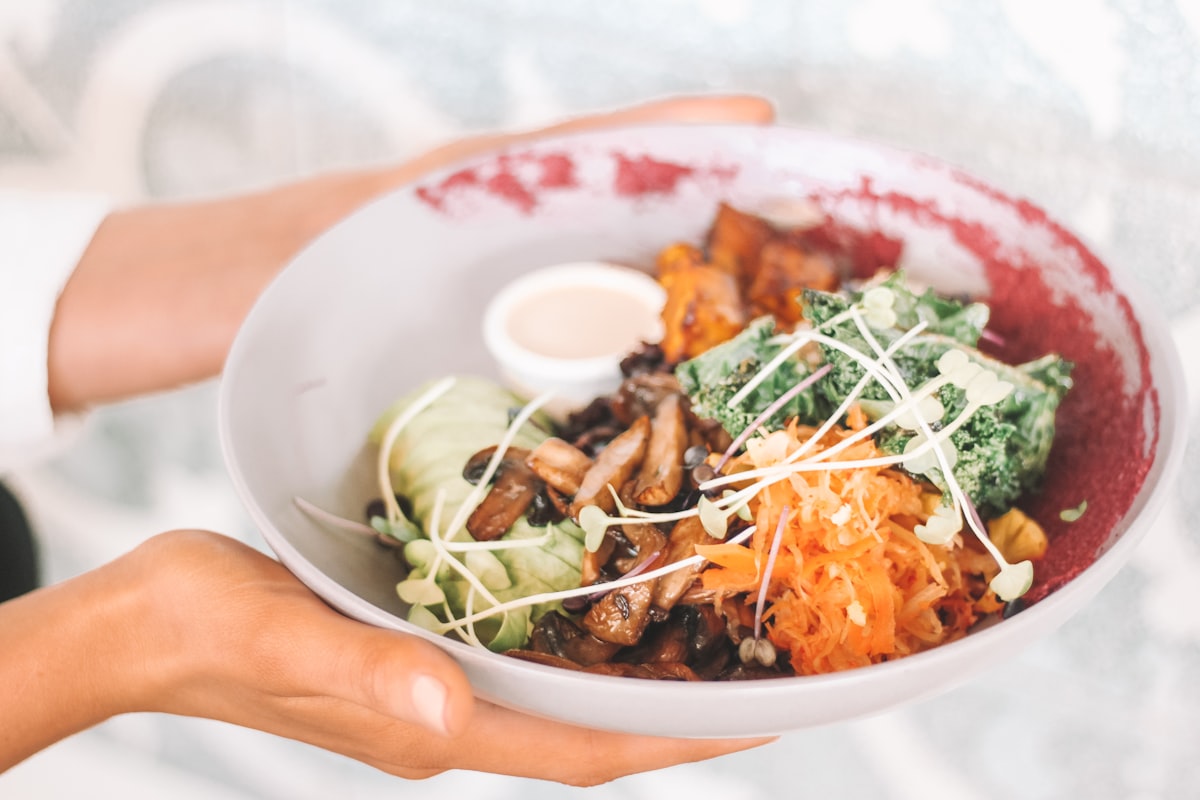
Spinach, Kale & Swiss Chard
Dark leafy greens are loaded with vitamin K, essential for bone mineralization and cartilage maintenance. They contain lutein and zeaxanthin, compounds with strong antioxidant properties. Rich in folate and magnesium, these vegetables support healthy inflammatory response. Easy to incorporate into salads, smoothies, or cooked dishes, leafy greens offer maximum nutritional benefit with minimal preparation.
Read more
Turmeric, Ginger & Cinnamon
Curcumin in turmeric and gingerol in fresh ginger are bioactive compounds recognized for their potential to modulate inflammatory pathways. Cinnamon provides manganese and antioxidants supporting connective tissue health. These warming spices improve circulation and enhance nutrient absorption when combined with black pepper (which increases curcumin bioavailability). Perfect for teas, soups, and curries.
Read more
Almonds, Walnuts & Flax Seeds
Walnuts contain alpha-linolenic acid (ALA), an omega-3 precursor supporting joint health. Almonds provide vitamin E and magnesium, minerals critical for bone density and inflammatory response regulation. Flax and chia seeds offer both omega-3s and fiber, supporting gut health which influences systemic inflammation. A small daily handful provides concentrated nutrition without excess calories.
Read more
Extra Virgin Olive Oil & Avocado Oil
Extra virgin olive oil contains oleocanthal, a compound with mechanisms similar to anti-inflammatory approaches. Rich in polyphenols and monounsaturated fats, it supports cardiovascular health alongside joint function. Avocado oil offers similar benefits with a higher smoke point for cooking. Use as salad dressing or gentle cooking medium to preserve beneficial compounds and enhance absorption of fat-soluble vitamins.
Read more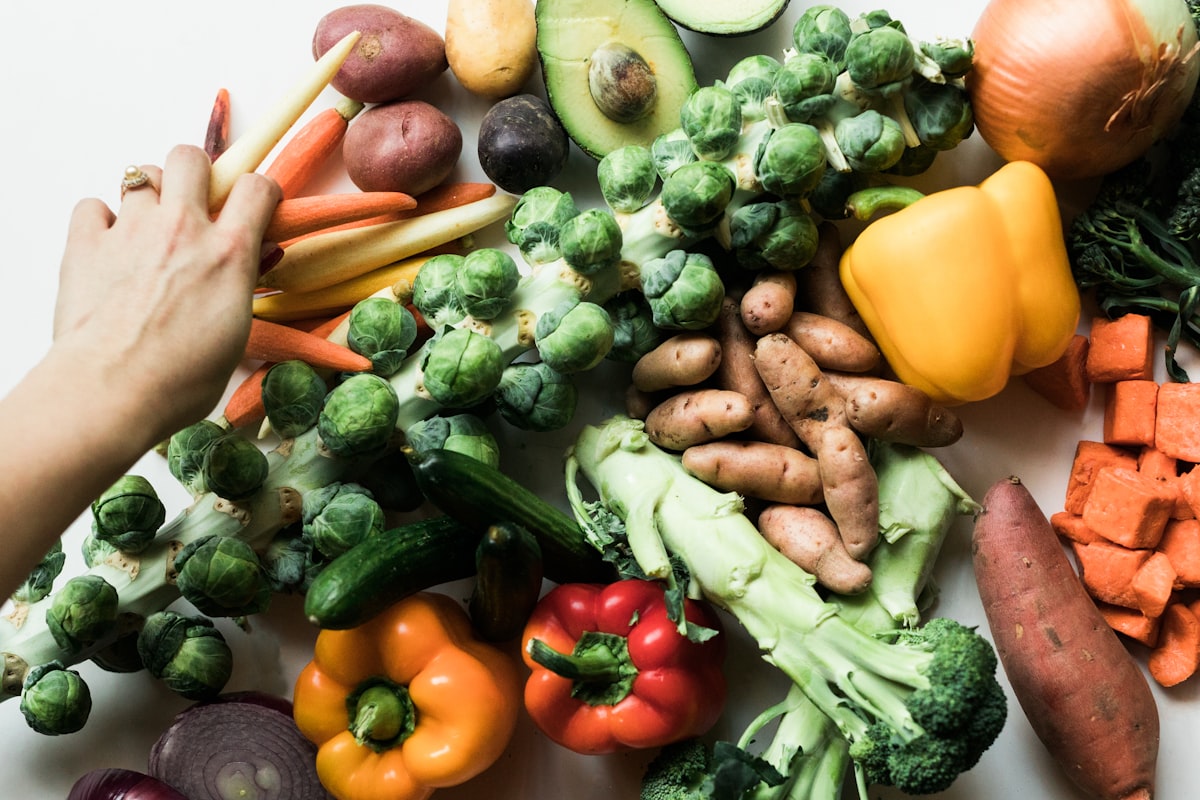
Broccoli, Cauliflower & Brussels Sprouts
Cruciferous vegetables contain sulforaphane, a compound with potent antioxidant properties that may protect joint cartilage. They provide vitamin C essential for collagen synthesis and structural integrity. High in fiber, these vegetables support digestive health and nutrient absorption. Lightly steaming preserves beneficial compounds while making them easier to digest and enjoy regularly.
Read more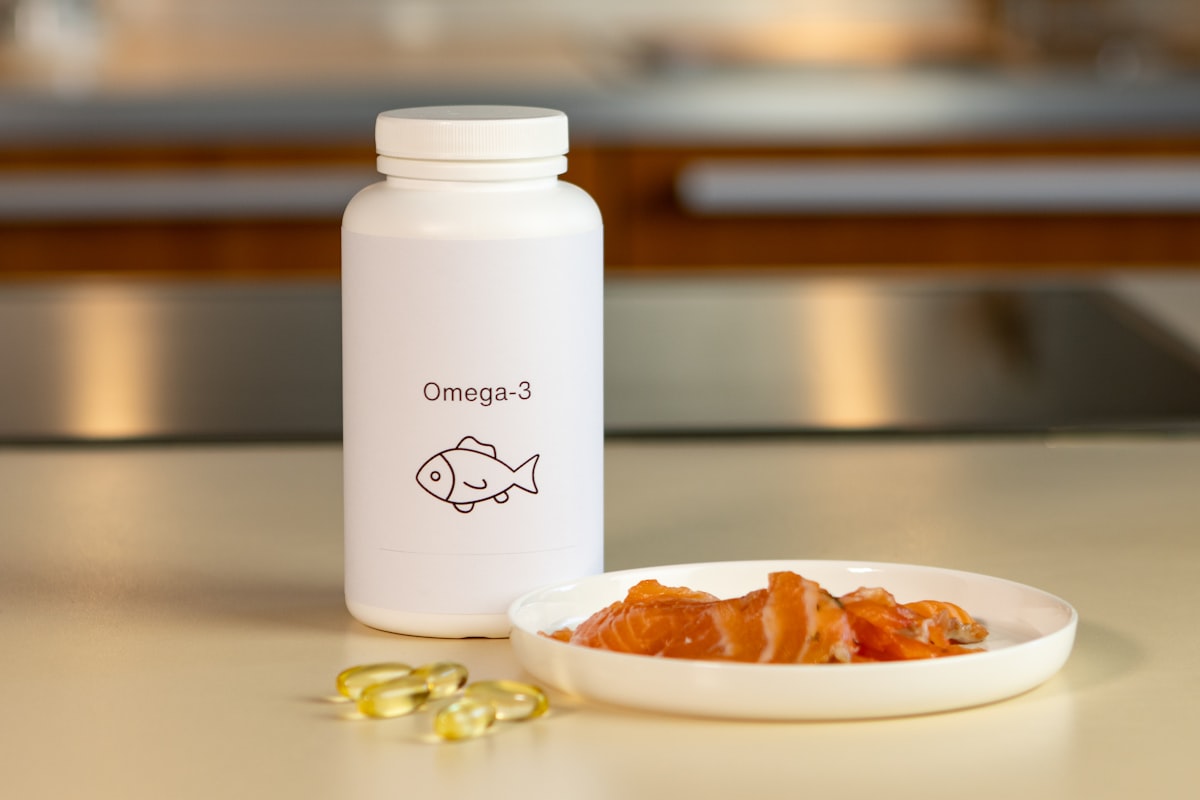
Green Tea, Herbal Infusions & Bone Broth
Green tea contains EGCG, a polyphenol with strong antioxidant properties supporting joint health. Bone broth provides collagen, gelatin, and glycine—amino acids and compounds that may support cartilage structure and joint lubrication. Herbal infusions like chamomile and nettle offer traditional support for inflammatory response. These beverages are hydrating, soothing, and easy to incorporate into daily routines.
Read moreExplore Our Complete Food Guide
Our editorial team has compiled detailed articles on each food category, including preparation tips, nutritional breakdowns, and practical ways to incorporate these ingredients into your daily meals. Discover evidence-based information to support your joint health journey.
Browse All ArticlesHow to Build Your Anti-Inflammatory Diet
Understanding Food & Inflammation
Chronic inflammatory responses in the body can affect joint function and comfort. Rather than viewing food as treatment, we recognize that certain nutrients and compounds support the body's natural inflammatory balance. Omega-3 fatty acids, antioxidants, and phytonutrients work synergistically to promote overall wellness.
The foods listed in our guide contain bioactive compounds studied for their potential benefits to joint structure and function. Consistency matters more than individual meals—building long-term dietary patterns supports sustained wellness benefits.
Our approach emphasizes food as fundamental to health support, not as a substitute for professional guidance. Combine these nutritious foods with movement, proper hydration, and stress management for comprehensive joint health support.
Practical Integration Tips
Start with Familiar Foods
Choose foods you already enjoy. If you like fish, explore different varieties. If you're new to turmeric, try it in curries or golden milk lattes.
Gradual Dietary Changes
Replace processed foods incrementally with whole foods. Add colorful vegetables to one meal daily, then expand from there over weeks.
Combine for Better Absorption
Pair fat-soluble vitamins (from greens) with healthy oils. Add black pepper to turmeric to enhance curcumin absorption.
Consistency Over Perfection
Eating anti-inflammatory foods regularly matters more than occasional perfection. Build sustainable habits rather than restrictive patterns.
Frequently Asked Questions
Dietary changes work gradually. Some people notice improved mobility within 2-3 weeks, while others require 6-8 weeks of consistent eating patterns. Inflammatory responses are complex and individual—factors like baseline diet, overall health, activity level, and stress management all influence outcomes. Start tracking how you feel and maintain patience with the process.
No. While organic options may reduce pesticide residues, conventional versions of these foods remain nutritious and beneficial. The most important factor is eating these foods consistently. If budget is a concern, conventional produce offers excellent value. Focus on variety and consistency rather than organic certification alone. Washing produce thoroughly reduces surface residues regardless of certification.
Whole foods contain complex arrays of nutrients and compounds that work synergistically—benefits that isolated supplements may not replicate. Food provides fiber, texture variety, and nutrient combinations that support digestive health and nutrient absorption. While quality supplements can complement a healthy diet, they work best alongside whole foods, not as replacements. Always consult with a healthcare provider about appropriate supplementation.
Our food guide includes diverse options across categories. If you're allergic to fish, walnuts and flax seeds provide omega-3s. If you avoid certain vegetables, others offer similar nutrients. We recommend working with a registered dietitian or nutritionist to identify safe, beneficial foods matching your specific needs and restrictions. Personalized guidance ensures you receive appropriate nutrition while avoiding problematic ingredients.
Some foods and compounds can interact with specific medications. For example, high vitamin K intake (from leafy greens) may affect certain blood thinners. If you take regular medications, discuss significant dietary changes with your healthcare provider or pharmacist. They can assess potential interactions and advise on timing or adjustments. This is especially important for anticoagulants, blood pressure medications, and other regularly-taken drugs.
General guidelines suggest: 2-3 servings of fatty fish weekly, a variety of colorful vegetables daily, a small handful of nuts or seeds daily, 3-4 servings of fruit weekly, and liberal use of herbs and spices. These are flexible suggestions, not strict requirements. The goal is building consistent patterns of nutritious eating rather than precise portion control. Listen to your body's hunger and satiety cues while including diverse anti-inflammatory foods.
Have additional questions about our content?
Send Us FeedbackStay Informed on Joint Health
Subscribe to our editorial updates for the latest articles, research summaries, and practical nutrition guides delivered to your inbox.
We respect your privacy. Unsubscribe anytime. No spam, only editorial content.
Explore More on Joint Health
Discover comprehensive articles covering food combinations, meal planning strategies, and the science behind anti-inflammatory compounds. Our editorial content supports your understanding of how nutrition influences joint function and mobility.